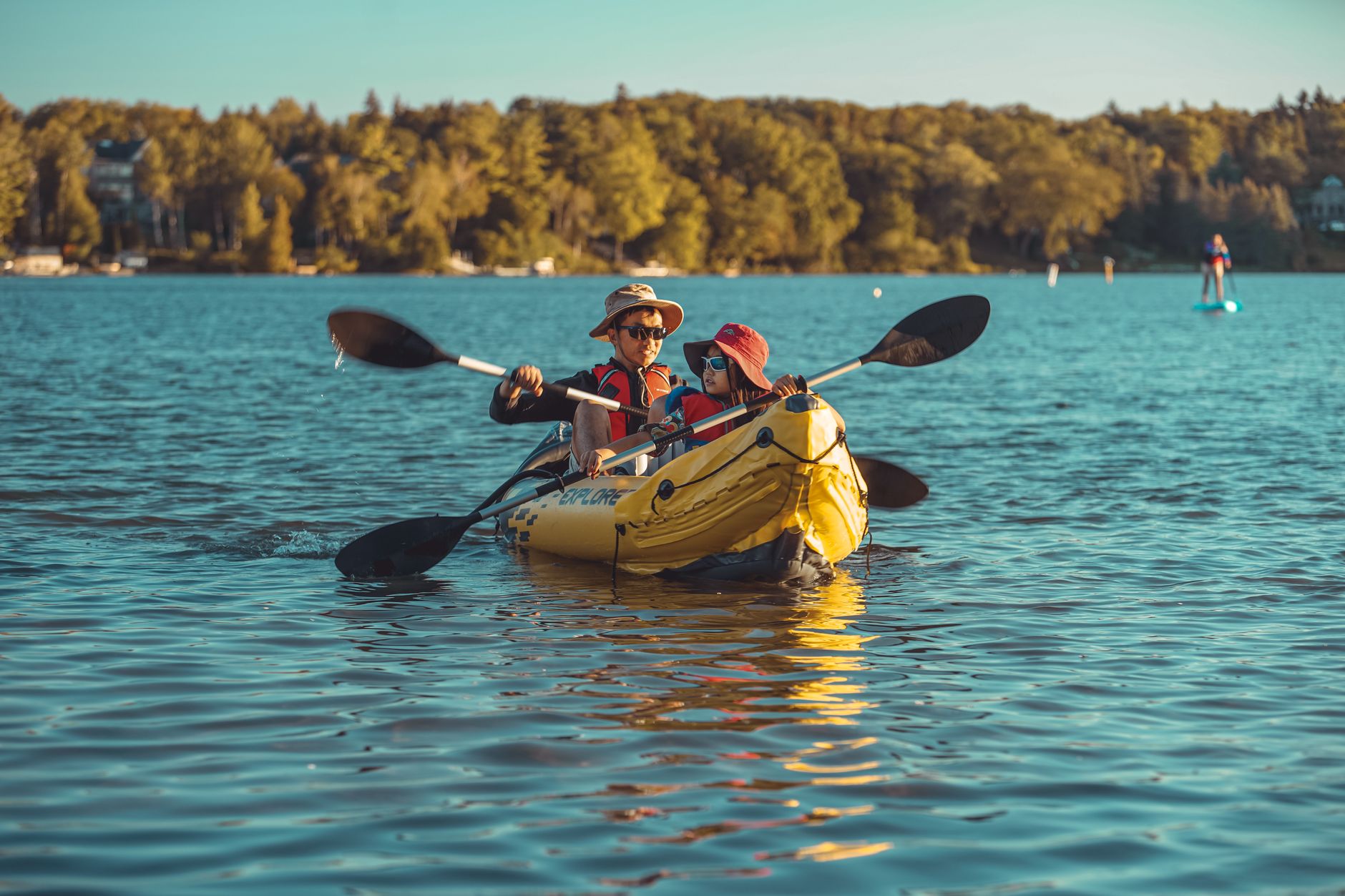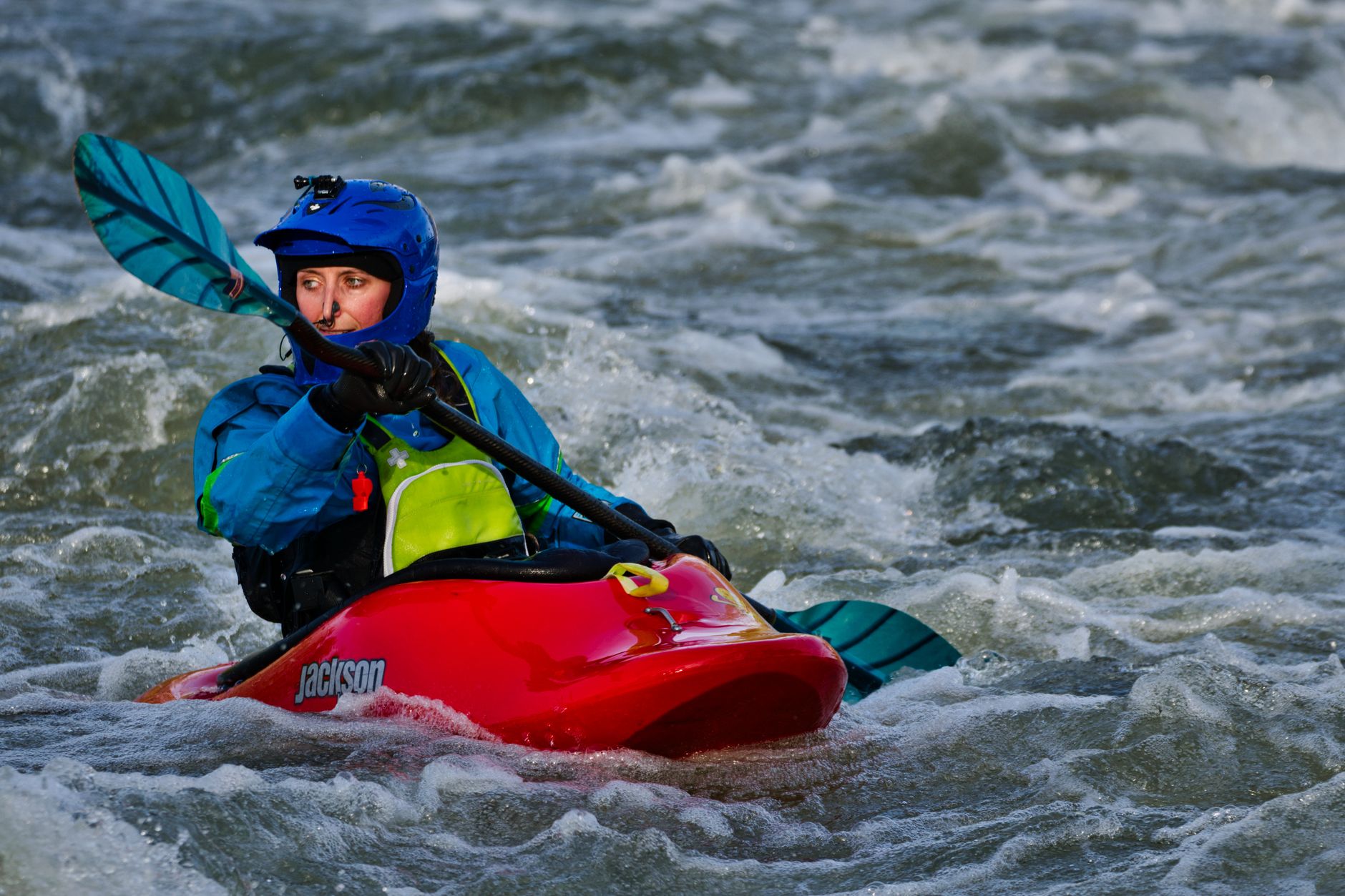
Improve your paddling technique to fully enjoy the lakes and rivers of Quebec! Discover practical tips for paddling efficiently while respecting safety and regulations.
Introduction
Quebec, with its numerous lakes and rivers, is a true paradise for paddle sports enthusiasts. Whether you are in a kayak, canoe, or stand-up paddleboard (SUP), mastering paddling techniques is essential to optimize your experience on the water. In this article, we will explore how to paddle effectively while adhering to essential safety rules.
Choosing the Right Equipment
Before venturing onto the water, make sure you have the right equipment. Here are some elements to consider:
- Type of Paddle: Choose a paddle suitable for your craft. Kayak paddles are shorter and designed for one-handed use, while canoe paddles are longer and require the use of both hands.
- Craft: Check that your kayak, canoe, or SUP is in good condition. Inspect the hulls for any cracks or damage.
- Safety Equipment: According to Transport Canada regulations, you must have:
- A personal flotation device (PFD) for each person on board.
- A flashlight or signaling device if you are paddling after sunset.
- A whistle or signaling device in case of emergency.
Paddling Techniques
1. Starting Position
The position of your body is crucial for effective paddling:
- Sit up straight, with your shoulders relaxed.
- Keep your feet flat on the bottom of the craft or on the deck of the SUP.
- Hold the paddle with both hands, hands about shoulder-width apart.
2. The Paddling Motion
The paddling motion can be broken down into three main steps:
- Entry: Dip the paddle into the water at the height of your feet.
- Stroke: Pull the paddle back close to the hull of your craft. This will help maximize propulsion.
- Exit: Remove the paddle from the water at the height of your hips, lifting it slightly to avoid splashes.
3. The Cadence
To paddle effectively:
- Maintain a steady cadence. Alternate between the left and right sides to balance your effort and avoid fatigue.
- Use your body: Engage your hips and torso to add more power to each stroke.
Paddling in Cold Water
Paddling in the lakes and rivers of Quebec can involve quite low water temperatures. Here are some tips for paddling safely:
- Appropriate Clothing: Wear a dry suit or neoprene clothing to protect yourself from the cold.
- Safety Equipment: Always have a suitable PFD and consider a whistle to signal your position in case of emergency.
Respecting Navigation Rules
It is important to know and respect the regulations in effect during your outings on the water. Here are some key points:
- Familiarize yourself with navigation areas and local regulations.
- Respect other water users: navigate cautiously near motorized craft and be attentive to swimmers.
- Avoid paddling alone, especially in wilderness areas. Always prefer to go out with a partner.
Practice Regularly
The key to improving your paddling technique is practice. Here are some suggestions:
- Participate in courses or workshops offered by local clubs.
- Join paddler groups to share tips and experiences.
- Practice paddling in different conditions (waves, current, etc.) to strengthen your skills.
Conclusion
By following these practical tips, you will be able to paddle more effectively while ensuring your safety and that of others. Whether you are exploring winding rivers or enjoying the peaceful lakes of Quebec, good paddling technique will enrich your experience on the water. Remember: safety first!
Stay informed about current regulations and practice regularly to become a skilled paddler. Happy paddling!