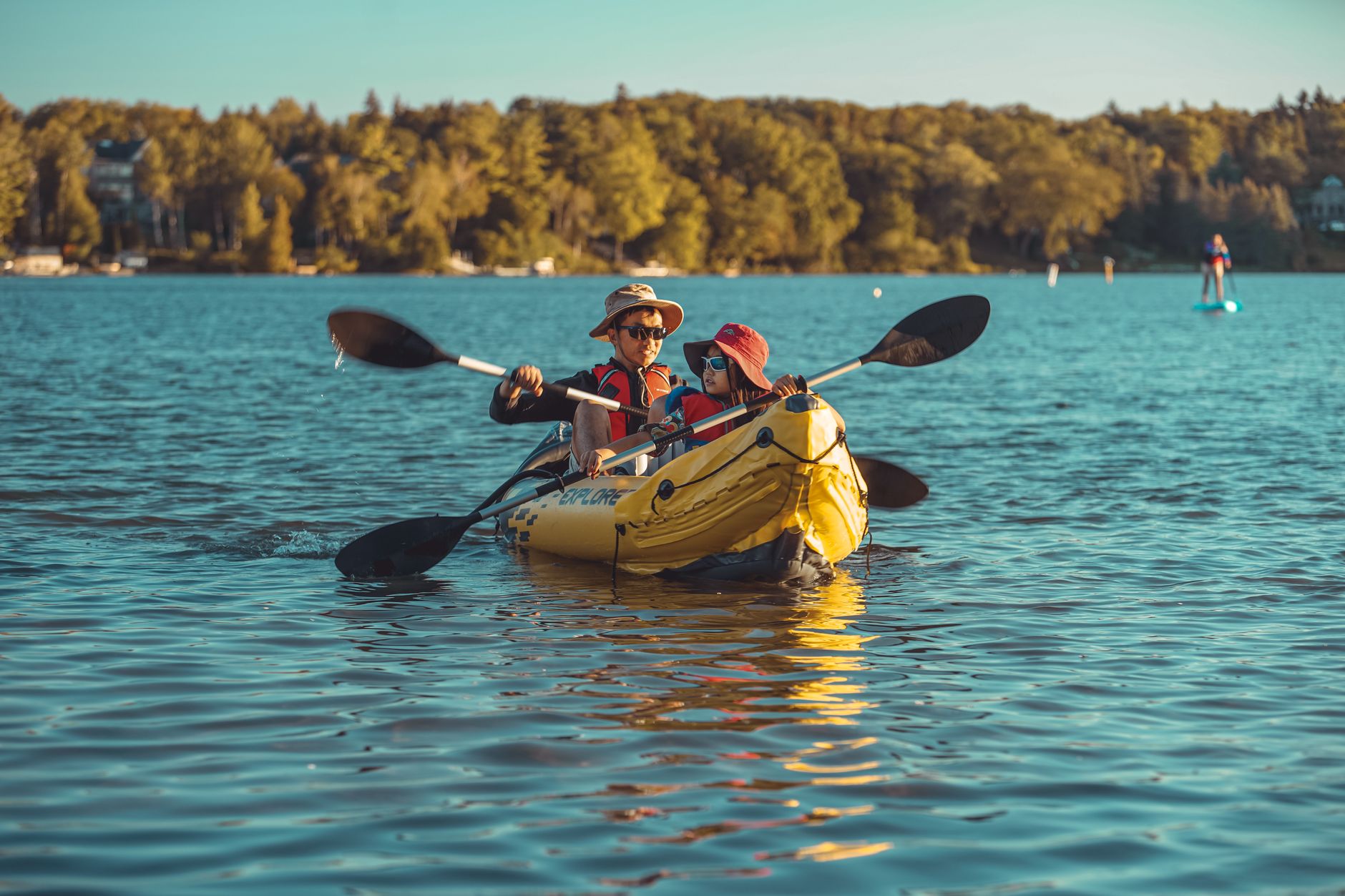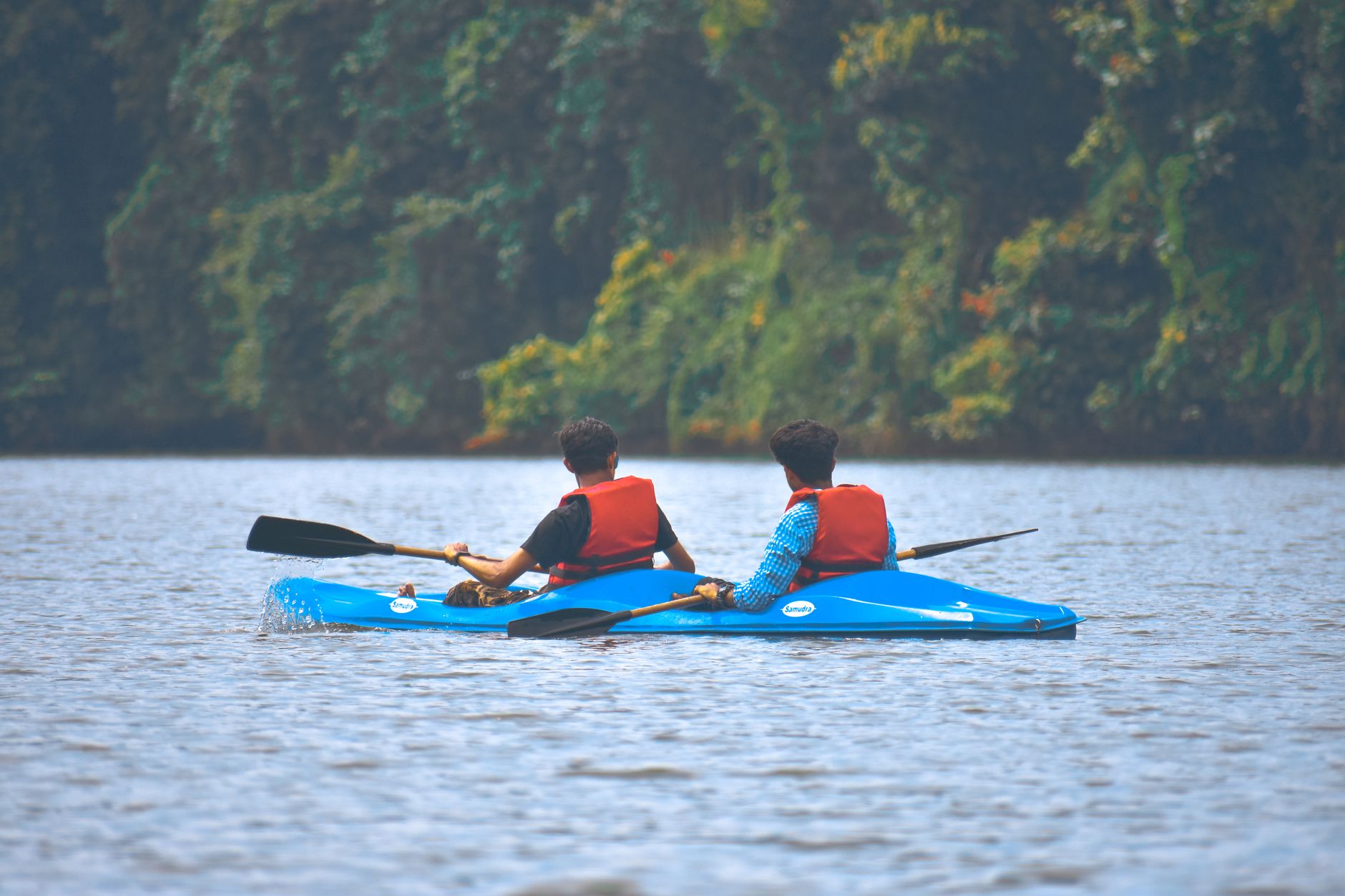
Nautical safety is essential for fully enjoying your kayaking, canoeing, or SUP adventures in Quebec. Discover the essentials to know before heading out on our beautiful lakes and rivers.
Introduction
The practice of paddle sports, whether in a kayak, canoe, or stand-up paddleboard (SUP), is booming in Quebec. With its multitude of lakes and rivers, our province offers breathtaking landscapes. However, it is crucial to remember that safety must always be a priority. This article presents the essentials of nautical safety, tailored for beginner to intermediate paddlers in Quebec.
Mandatory Safety Equipment
According to Transport Canada regulations, certain safety equipment is mandatory for safe navigation. Here is the list of essentials to have on board:
- Personal Flotation Device (PFD): Every paddler must wear an approved PFD. Ensure it fits well and is in good condition.
- Signaling Equipment: Have a whistle or mirror on board to signal your position in case of emergency.
- Safety Line: A safety line is recommended, especially if you are paddling in whitewater.
- First Aid Kit: A well-stocked first aid kit is essential for treating minor injuries.
Preparation Before Departure
Before you hit the water, take the time to prepare properly. Here are some steps to follow:
- Check the Weather: Consult the weather forecast and be aware of sudden changes in conditions.
- Inform Someone of Your Itinerary: Let a friend or family member know where you are going and what time you plan to return.
- Choose an Appropriate Route: Opt for a route that matches your skill level and experience.
- Check Your Equipment: Ensure that your kayak, canoe, or SUP is in good condition, and that you have all the necessary safety equipment.
Assessing Water Conditions
The lakes and rivers of Quebec can present unique challenges, including strong currents and cold water temperatures. Here are some tips for assessing conditions:
- Currents: Be aware of currents and tides. Research local conditions before you set out.
- Water Temperature: Cold water can become dangerous quickly. Check the water temperature and be aware of hypothermia risks.
- Obstacles: Stay vigilant for obstacles such as fallen trees, rocks, or rapids.
Safety Techniques on the Water
In addition to being well-prepared before departure, it is essential to know certain safety techniques on the water:
- Stay Together: Paddling with friends is always safer than being alone. In case of trouble, you will have support.
- Communicate: Use simple signals to communicate with other paddlers. A whistle can also be useful in an emergency.
- Avoid Distractions: Keep your focus on the water and avoid using your phone or other distractions while paddling.
In Case of Emergency
Despite all precautions, unforeseen events can occur. Here’s what to do in case of an emergency:
- Stay Calm: Keep your composure to assess the situation.
- Use Your Signaling Equipment: If you are in distress, use your whistle or mirror to attract attention.
- Call for Help: If you have a waterproof phone, do not hesitate to contact emergency services.
Conclusion
Paddling in a kayak, canoe, or SUP in Quebec can be an incredible experience, as long as you remain vigilant and follow safety guidelines. By following these tips, you will fully enjoy your adventures while ensuring your safety and that of others. So, put on your PFD, prepare your gear, and head out to explore our beautiful waterways safely!