Transporting your kayak or canoe in Quebec requires proper preparation and knowledge of safety equipment. This guide will help you navigate best practices and regulations to ensure a safe adventure on the water.
Introduction
Kayaking and canoeing are ideal means of transportation for exploring the beautiful lakes and rivers of Quebec. However, transporting your craft to the put-in can be challenging if you're not well prepared. This guide will cover the essential elements to consider for safely transporting your kayak or canoe in compliance with current regulations.
Choosing the Right Vehicle
First and foremost, it is crucial to ensure that your vehicle is suitable for transporting your craft. Here are some points to consider:
- Type of Vehicle: An SUV or truck is often more suitable than a sedan. Make sure your vehicle has a hitch if you plan to use a trailer.
- Load Capacity: Check the weight of your kayak or canoe and ensure that your vehicle can transport it without issue.
Transport Equipment
Roof Racks
One of the most common ways to transport a kayak or canoe is to use a roof rack. Here are some options:
- J-Craddles: Ideal for kayaks, they keep the craft in a vertical position.
- Platform Racks: These are suitable for canoes and provide a flat surface.
Trailer
If you are transporting multiple crafts or if they are particularly heavy, a trailer may be the best option. Ensure it is licensed and equipped with functional taillights.
Securing Your Craft
It is essential to properly secure your kayak or canoe to avoid any incidents on the road. Here are our recommendations:
- Use Sturdy Straps: Opt for nylon or polyester straps that won't stretch.
- Position Straps Correctly: Secure your craft to both the roof rack and the vehicle to prevent any movement.
- Check Security Regularly: Before you leave and after a few kilometers, check that everything is secure.
Safety Equipment
When transporting your kayak or canoe, it is essential to comply with Transport Canada regulations regarding safety equipment. Here’s what you need to have:
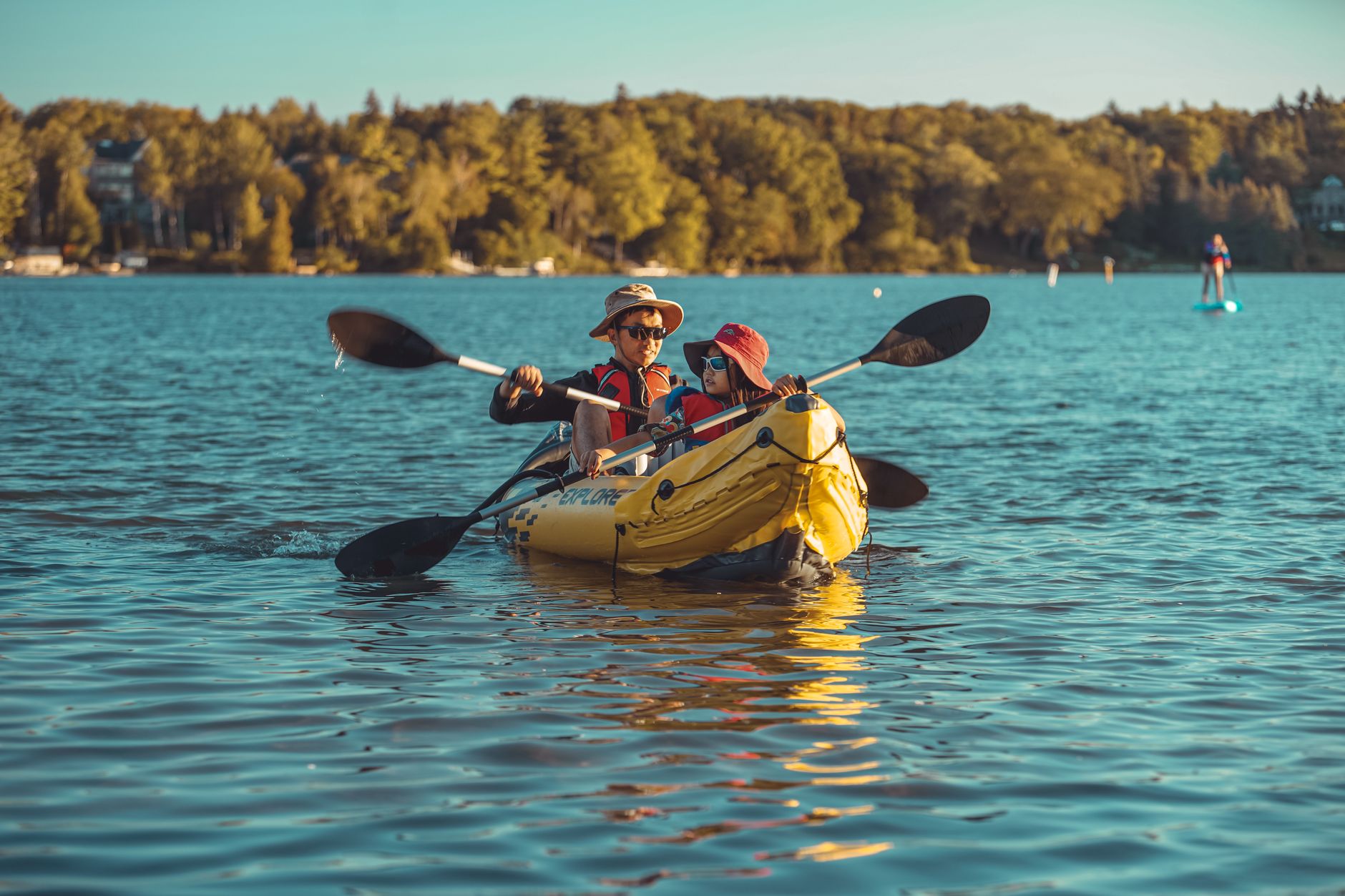
- Personal Flotation Devices (PFDs): A PFD must be available for each person on board.
- Signaling Equipment: A whistle and a waterproof flashlight are recommended.
- First Aid Kit: Have a first aid kit on hand in case of emergencies.
- Appropriate Clothing: Due to the cold water in Quebec, wear suitable clothing to prevent hypothermia.
Seasonal Considerations
Transporting your kayak or canoe may vary by season. Here are some tips:
- Spring and Fall: Be aware of changing weather conditions. Check the forecast before you leave.
- Summer: Roads may be busier. Stay vigilant, especially near popular lakes and rivers.
- Winter: If you are transporting your craft for winter activities, ensure it is properly protected against the cold.
Conclusion
Transporting your kayak or canoe doesn’t have to be complicated if you follow these practical tips. By adhering to Transport Canada’s safety regulations and ensuring your craft is securely fastened, you’ll be ready to enjoy the pleasures of paddling on Quebec’s waters. Whether you’re on a calm lake or a winding river, good preparation is the key to a successful adventure.
Reading Time
Approximately 8 minutes.